Chevrolet Towing Capacity: Model-Specific Weight and Payload
The towing capacity of a Chevrolet vehicle depends on several engineering factors, including engine output, transmission design, drivetrain configuration, axle ratio, suspension calibration, cooling capacity, and the presence of a factory trailering package. Rather than assigning one towing limit to every vehicle in the lineup, Chevrolet establishes model-specific towing ratings based on extensive testing under […]
The towing capacity of a Chevrolet vehicle depends on several engineering factors, including engine output, transmission design, drivetrain configuration, axle ratio, suspension calibration, cooling capacity, and the presence of a factory trailering package. Rather than assigning one towing limit to every vehicle in the lineup, Chevrolet establishes model-specific towing ratings based on extensive testing under controlled conditions.
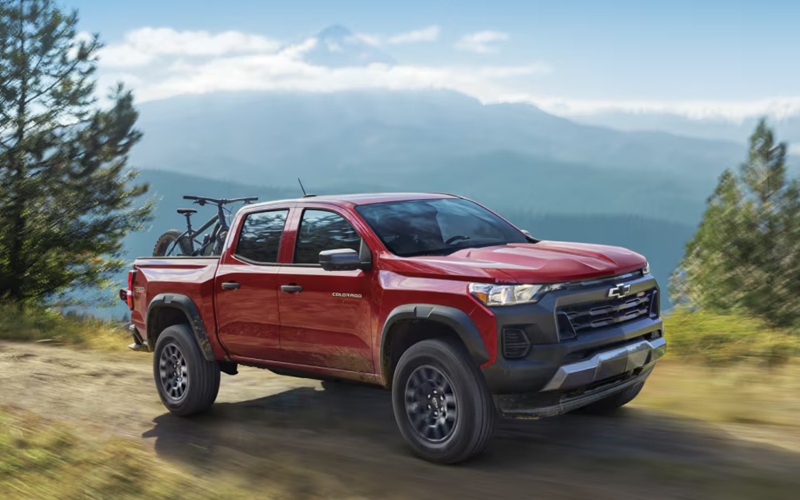
In the Canadian market, Chevrolet offers vehicles designed for a wide range of towing applications. Compact crossover models are intended for light-duty trailers, while full-size pickup trucks are engineered to tow significantly heavier loads. Selecting the appropriate model involves evaluating not only the trailer’s weight but also payload capacity, passenger load, cargo weight, and the equipment installed on the vehicle.
Important factors affecting towing capability include:
- engine specification
- transmission configuration
- drivetrain
- wheelbase
- axle ratio
- suspension design
- cooling systems
- trailer brake equipment
- hitch receiver classification
- vehicle payload
Because these variables differ across the Chevrolet lineup, towing capacity should always be evaluated according to the exact vehicle configuration rather than the model name alone.
Technical Specifications
What Determines Towing Capacity?
Towing capacity is the maximum trailer weight that a vehicle can safely pull while operating within its engineered limits.
Several vehicle systems contribute to this capability, including:
- engine torque
- transmission durability
- chassis strength
- braking performance
- suspension geometry
- cooling capacity
- structural rigidity
Each Chevrolet model is engineered around its intended purpose, resulting in different towing characteristics across the lineup.
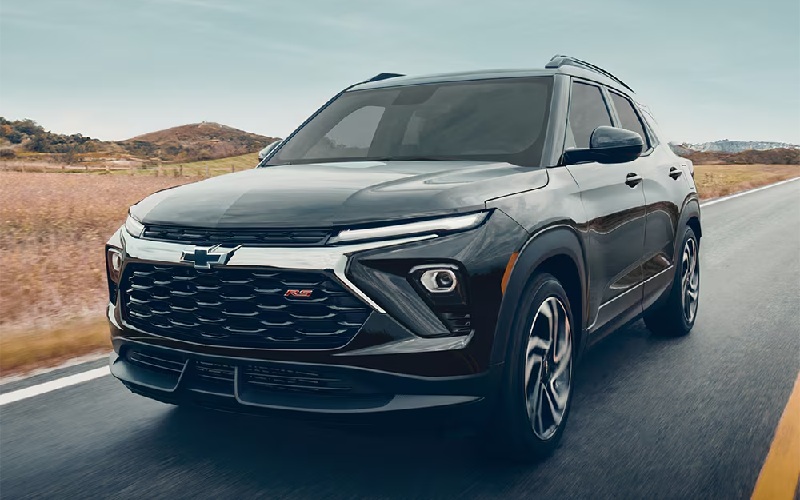
Chevrolet Trax
The Chevrolet Trax is designed primarily as an urban compact sport utility vehicle.
Its engineering priorities include:
- fuel efficiency
- maneuverability
- passenger comfort
- compact dimensions
The Trax is not intended for heavy trailer towing. Instead, it is better suited for everyday transportation, commuting, and light cargo duties. Owners considering occasional trailer use should consult the specifications for their exact model year and configuration to determine whether towing is permitted and under what conditions.
Chevrolet Equinox EV
The Equinox EV combines electric propulsion with the Chevrolet Ultium-based platform architecture.
Towing capability depends on:
- battery configuration
- drive system
- cooling systems
- vehicle configuration
Electric motors deliver immediate torque, which benefits low-speed trailer movement, but towing also increases energy consumption and may reduce driving range. When towing with an electric vehicle, drivers should also consider charging availability and route planning, particularly during long-distance travel.
Chevrolet Colorado
The Chevrolet Colorado is engineered specifically for midsize truck applications requiring greater utility.
Its body-on-frame construction provides a strong structural foundation for:
- towing
- payload carrying
- off-road driving
Colorado configurations may include:
- turbocharged engine options
- automatic transmission
- four-wheel drive
- integrated trailer technologies
Depending on configuration, the Colorado is suitable for towing equipment such as:
- utility trailers
- recreational trailers
- small boats
- camping trailers
Factory trailering equipment enhances towing stability while supporting the truck’s engineered towing limits.
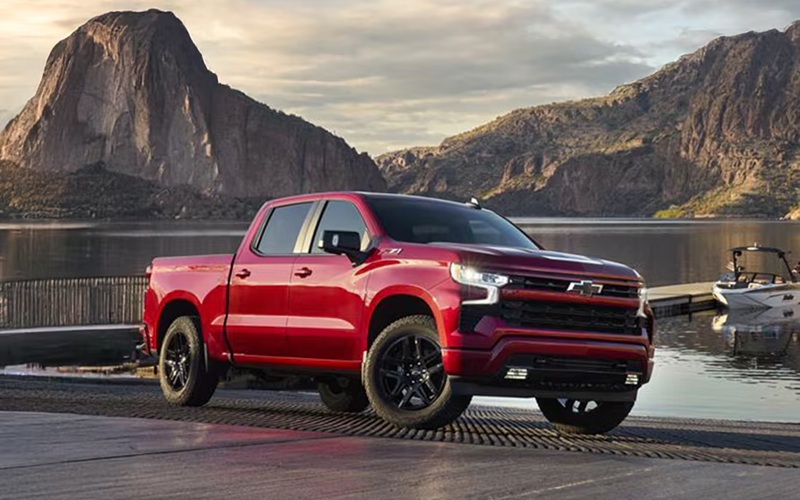
Chevrolet Silverado 1500
The Silverado 1500 is the primary Chevrolet full-size light-duty pickup.
Its towing capability varies according to:
- engine selection
- cab configuration
- cargo box length
- drivetrain
- axle ratio
- trailering package
The Silverado platform incorporates numerous towing-focused engineering features including:
- reinforced frame construction
- heavy-duty cooling systems
- integrated trailer brake controller availability
- advanced trailering technologies
- trailer sway control
These systems allow properly equipped Silverado models to tow substantially heavier trailers than midsize trucks.
Chevrolet Silverado HD Models
Heavy-duty Silverado models are engineered for commercial-grade towing applications.
Compared with light-duty trucks, HD models feature:
- reinforced chassis components
- upgraded suspension
- larger braking systems
- increased axle capacity
- heavy-duty cooling
- higher structural load ratings
These engineering upgrades support substantially greater trailer weights while maintaining vehicle stability under demanding operating conditions.
Engine Options and Towing Performance
Engine torque is one of the primary factors influencing towing capability.
Chevrolet engines intended for towing emphasize:
- low-speed torque
- sustained pulling power
- cooling efficiency
- transmission compatibility
Turbocharged gasoline engines provide broad torque delivery, while larger displacement engines continue to support demanding towing applications requiring prolonged high-load operation. The engine control module continuously adjusts ignition timing, fuel delivery, and transmission strategy according to towing demands.
Transmission Design
Automatic transmissions used for towing incorporate calibration strategies designed for higher loads.
These strategies may include:
- revised shift timing
- delayed upshifts
- improved engine braking
- torque converter management
Tow/haul mode, where equipped, modifies transmission behaviour to improve drivability while reducing unnecessary gear changes during trailer operation.
Drivetrain Configuration
Drivetrain selection influences towing performance.
Available configurations may include:
- rear-wheel drive
- four-wheel drive
- all-wheel drive, depending on model
Four-wheel drive provides improved traction on:
- gravel roads
- snow-covered surfaces
- boat launch ramps
- muddy terrain
However, drivetrain selection alone does not determine maximum towing capacity.
Payload Versus Towing Capacity
Payload and towing capacity represent different engineering measurements.
Payload includes everything carried by the vehicle itself, including:
- passengers
- cargo
- accessories
- trailer tongue weight
Trailer tongue weight contributes directly to payload. Increasing payload reduces the remaining available capacity before vehicle limits are reached. Both ratings should therefore be evaluated together.
Hitch Receiver Classes
Chevrolet vehicles use hitch receivers engineered for different trailer loads.
The hitch receiver must match:
- trailer weight
- tongue weight
- towing application
Factory-installed receivers are integrated into the vehicle’s structural design. Aftermarket equipment should always meet the vehicle’s specified towing requirements.
Trailer Brake Requirements
Heavier trailers typically require their own braking systems. Electronic trailer brake controllers improve braking coordination between the tow vehicle and trailer.
Proper trailer brake adjustment contributes to:
- shorter stopping distances
- improved stability
- reduced brake wear
- more predictable control
Many Chevrolet trucks offer integrated trailer brake controller functionality on appropriately equipped models.
GVWR and GCWR
Safe towing requires understanding two important vehicle ratings.
Gross Vehicle Weight Rating (GVWR)
GVWR represents the maximum allowable weight of the vehicle itself, including:
- occupants
- cargo
- accessories
- trailer tongue weight
Gross Combined Weight Rating (GCWR)
GCWR represents the maximum allowable combined weight of:
- vehicle
- trailer
- passengers
- cargo
- fluids
Remaining within both ratings helps maintain braking performance, steering control, and drivetrain durability.
Driver Experience
Chevrolet vehicles equipped for towing incorporate technologies designed to improve driver confidence while maintaining predictable handling.
Depending on the model, available systems may include:
- trailer sway control
- hill start assist
- hill descent control
- trailer lighting diagnostics
- integrated trailer brake controller
- rear vision systems
- hitch guidance
- trailer monitoring functions
These technologies support the driver during trailer connection, highway travel, low-speed maneuvering, and reversing. Wheelbase also influences towing behaviour. Longer wheelbases generally provide greater directional stability when towing larger trailers, while shorter wheelbases improve maneuverability in confined areas. Suspension calibration plays an equally important role. Spring rates, dampers, and frame stiffness help maintain vehicle control under changing trailer loads while minimizing excessive body movement.
Service Requirements
Vehicles used regularly for towing experience increased mechanical loading.
Routine maintenance becomes particularly important for:
- engine cooling system
- transmission fluid
- differential lubricants
- braking system
- suspension components
- wheel bearings
- tires
- trailer electrical connections
Before towing, drivers should verify:
- tire pressure
- trailer lighting
- hitch security
- safety chain attachment
- trailer brake operation
- cargo distribution
After extended towing, inspections should include:
- brake wear
- transmission performance
- cooling system condition
- hitch hardware
- suspension mounting points
Canadian winter conditions introduce additional considerations.
Road salt may accelerate corrosion on:
- hitch receivers
- trailer electrical connectors
- frame components
- suspension hardware
Routine underbody cleaning helps reduce long-term corrosion while preserving structural integrity.
During scheduled maintenance, Addison on Erin Mills technicians may inspect towing-related components such as the hitch receiver, cooling system, suspension, brake system, and drivetrain to verify they continue operating within the manufacturer’s specifications. Similarly, Addison on Erin Mills can evaluate whether a specific Chevrolet model is equipped with the factory trailering components required for its intended towing application and confirm that maintenance has been completed according to the vehicle’s operating conditions.
Chevrolet Towing FAQ
1. Which Chevrolet models are designed for the highest towing capacity?
Full-size Silverado pickup trucks, particularly heavy-duty configurations, provide the greatest towing capability within the lineup because of their reinforced chassis, heavy-duty suspension, upgraded cooling systems, and high-capacity drivetrains.
2. Does four-wheel drive increase towing capacity?
Not necessarily. Four-wheel drive improves traction on loose or slippery surfaces, but maximum towing capacity depends on the complete vehicle configuration, including engine, transmission, axle ratio, suspension, and factory trailering equipment.
3. Why is payload important when towing?
Trailer tongue weight counts as part of the vehicle’s payload. Passengers, cargo, and accessories also contribute to payload, so exceeding the payload rating can affect vehicle handling, braking performance, and suspension operation even if the trailer itself remains within the towing limit.
4. What is the difference between GVWR and GCWR?
GVWR is the maximum allowable weight of the vehicle itself, including occupants and cargo. GCWR is the maximum combined weight of the fully loaded vehicle and the attached trailer.
5. What maintenance is especially important for vehicles used for towing?
Regular inspection of the engine cooling system, transmission, differential lubricants, brakes, suspension, tires, hitch components, and trailer electrical connections helps maintain safe towing performance and supports long-term vehicle durability.
Disclaimer: Content contained in this post is for informational purposes only and may include features and options from US or internacional models. Please contact the dealership for more information or to confirm vehicle, feature availability.