

Chevy Silverado 1500: Trailer, RV, and Boat Towing Capacity
The Chevy Silverado 1500 can tow a variety of RVs, travel trailers, and boats, but how much it can safely pull depends on the truck’s engine, drivetrain, cab configuration, and towing equipment. Two Silverado 1500 trucks may look nearly identical yet have different towing limits, so check the specifications for your vehicle. The 2026 Silverado […]
The Chevy Silverado 1500 can tow a variety of RVs, travel trailers, and boats, but how much it can safely pull depends on the truck’s engine, drivetrain, cab configuration, and towing equipment. Two Silverado 1500 trucks may look nearly identical yet have different towing limits, so check the specifications for your vehicle.
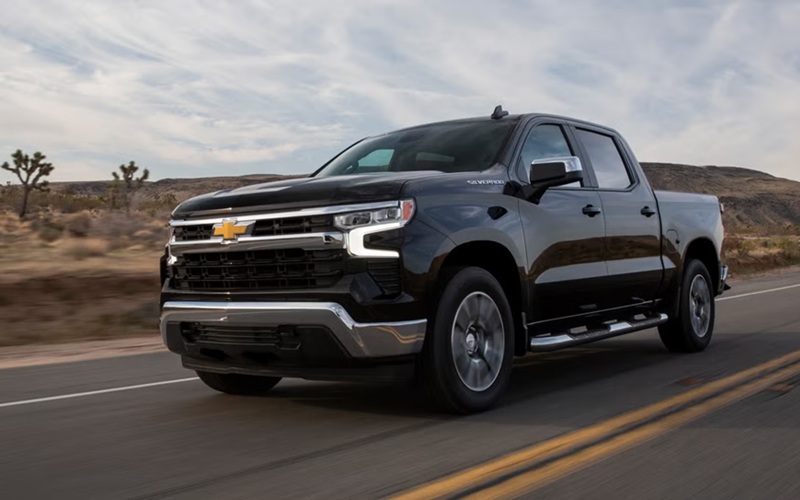
The 2026 Silverado 1500 offers a maximum available towing capacity of 6,033 kg, but that figure applies only to a specific configuration. Other versions have lower ratings, and the weight of passengers, cargo and equipment can further affect how much the truck can tow. Before connecting a trailer, consider both the Silverado capabilities and the trailer’s actual loaded weight.
How Much Can a Chevy Silverado 1500 Tow?
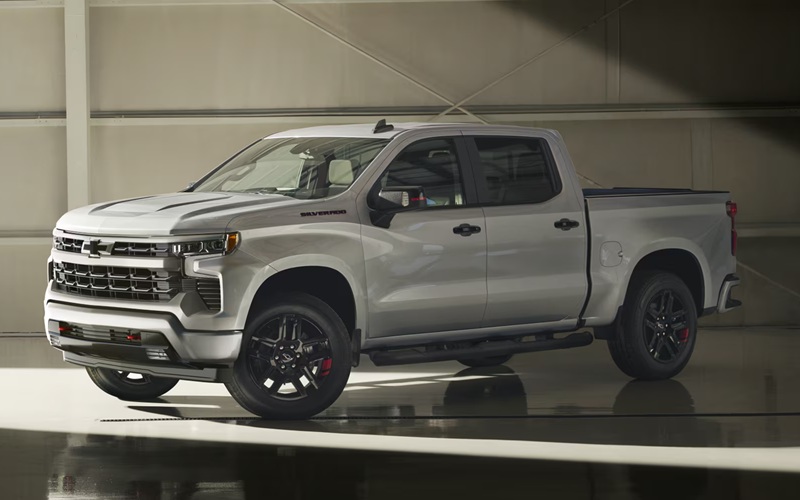
The 2026 Silverado 1500 has a maximum available towing capacity of 6,033 kg when properly equipped. This rating applies to a Double Cab Standard Bed configuration with the available Duramax Turbo-Diesel inline-six engine and 20-inch wheels. The published towing ratings for the 2026 lineup start at 3,946 kg.
Other Silverado configurations have different limits based on their engine, drivetrain, cab, bed length, wheels and trailering equipment. The Max Trailering Package can also affect the rating on applicable models.
For example, a 2024 Silverado 1500 Crew Cab Short Bed with two-wheel drive and the 5.3L EcoTec3 V8 has a maximum conventional towing rating of approximately 4,309 kg. With the Max Trailering Package, that rating increases to approximately 5,126 kg. This difference shows why the engine alone doesn’t determine how much a Silverado can tow.
Can a Silverado 1500 Tow an RV or Travel Trailer?
Yes, the Silverado 1500 can tow many RVs and travel trailers, provided the trailer’s actual loaded weight stays within the truck’s applicable ratings. Focus on everything you plan to carry, not just the RV’s advertised unloaded weight.
Camping equipment, water, propane, batteries, food and personal belongings can add considerable weight to a travel trailer. Optional equipment may also increase the total. An RV that appears suitable based on its empty weight could exceed the towing limits once fully packed.
Passengers and cargo inside the truck matter as well. The more weight the Silverado carries, the less capacity may remain for the trailer within the vehicle’s combined weight limits. Before choosing an RV, compare its expected loaded weight with the towing, payload and combined weight ratings for your exact Silverado configuration.
Can a Chevy Silverado 1500 Tow a Boat?
The Silverado 1500 can also tow a boat when the complete boat-and-trailer combination falls within the truck’s towing limits. However, the boat’s dry weight doesn’t represent everything the truck will pull.
You need to include the boat trailer, fuel, batteries, equipment and any other cargo stored on board. These items add to the trailer’s actual weight and can make a noticeable difference when calculating towing requirements.
Tongue weight is another important consideration. Part of the trailer’s weight transfers through the hitch onto the Silverado, adding to the load the truck carries. Even when the boat and trailer fall below the maximum towing rating, the combination must also remain within the truck’s payload, axle and overall weight limits.
Why Do Silverado 1500 Towing Capacities Vary?
The Silverado 1500 comes in several configurations, each with its own combination of engines, drivetrain components and available trailering equipment. The 2026 lineup includes WT, Custom, Custom Trail Boss, LT, RST, LT Trail Boss, LTZ, High Country and ZR2 trims.
Available powertrains include the 2.7L TurboMax, along with other engine options depending on the trim and equipment. Cab style, bed length, two-wheel or four-wheel drive, axle configuration, and wheel selection can also affect towing ratings.
Trailering equipment matters because different configurations are designed to handle different loads. Features such as Tow/Haul mode can adjust transmission shift behaviour when the truck carries a heavy load or pulls a trailer, but they don’t increase the vehicle’s published towing capacity.
This is why you should never assume that two Silverado trucks with the same engine have identical towing limits.
What Does GCWR Mean for Silverado Towing?
Gross Combined Weight Rating (GCWR) represents the maximum allowable combined weight of the loaded truck and loaded trailer. It includes the Silverado, its occupants, fuel, cargo, accessories, and everything carried by the trailer.
GCWR matters because the truck’s advertised towing capacity doesn’t tell the whole story. A trailer may weigh less than the maximum trailer rating, but the complete combination could still exceed the allowable combined weight once passengers and cargo are added.
For example, a Silverado carrying several passengers, tools and camping supplies has a different total load than the same truck with only the driver inside. Both situations must remain within the applicable weight ratings, even if the trailer itself hasn’t changed.
Why Is Trailer Tongue Weight Important?
Tongue weight is the downward force that a conventional trailer applies to the hitch. This weight becomes part of the load the Silverado carries rather than staying entirely on the trailer’s axles.
For RVs and boat trailers, tongue weight can use a meaningful portion of the truck’s available payload. Account for it alongside passengers, cargo, and accessories when checking the Silverado Gross Vehicle Weight Rating (GVWR) and rear Gross Axle Weight Rating (GAWR).
A trailer can fall within the truck’s maximum towing capacity while still creating a payload or rear-axle overload. That’s why checking tongue weight is just as important as confirming the trailer’s total loaded weight.
How to Find Your Silverado 1500 Towing Capacity
If you already own a Silverado 1500, start with the specifications for that exact truck rather than using the highest advertised towing figure. The correct rating depends on several vehicle details.
1. Identify Your Silverado Configuration
Confirm the model year, engine, cab style, bed length and drivetrain. Also identify the wheel and tire configuration, any installed trailering equipment, and whether the truck has the Max Trailering Package.
These details help determine which towing rating applies to your Silverado.
2. Check the Correct Trailering Rating
Use the trailering information for your specific model year and configuration. Don’t automatically apply the 6,033 kg maximum to every Silverado 1500, since that rating applies only to a specific, properly equipped version.
The applicable rating may be lower depending on the truck’s equipment.
3. Calculate the Trailer’s Loaded Weight
For an RV, include water, propane, batteries, camping supplies and personal belongings. For a boat, account for the trailer, fuel, batteries and equipment stored on board.
Use the actual loaded weight whenever possible rather than relying only on an advertised dry or unloaded figure.
4. Account for Payload and Tongue Weight
Check how much weight the Silverado carries before attaching the trailer. Passengers, cargo and accessories all contribute to the truck’s load, while tongue weight adds more weight through the hitch.
The total must remain within the truck’s GVWR and applicable axle ratings.
5. Check the Complete Combination
Finally, compare the loaded truck and trailer against the GCWR. Also confirm that the hitch and other trailering equipment are rated for the load.
A safe towing match must satisfy all applicable limits, not just the maximum trailer weight rating.
What Towing Capacity Should You Look for When Buying an RV?
If you’re shopping for a travel trailer to use with your Silverado 1500, start by estimating the RV’s weight when it’s ready for a trip. Its unloaded weight provides a starting point, but the actual towing weight increases as you add supplies and equipment.
Water tanks, propane, batteries, camping gear and personal belongings can make a significant difference. The Silverado also needs enough available payload to carry passengers, cargo and the trailer’s tongue weight.
Choosing an RV based on its loaded weight helps you compare it more accurately with your truck’s towing capabilities. It also reduces the risk of selecting a trailer that appears suitable on paper but exceeds one of the vehicle’s weight limits when fully packed.
What Should You Check Before Towing a Boat?
Boat towing requires the same attention to total weight, but it’s easy to overlook the additional equipment that travels with the boat. The trailer itself, fuel, batteries and stored gear all contribute to the load.
Before towing, confirm that the complete combination falls within the Silverado towing rating and that the tongue weight doesn’t overload the truck. The hitch and trailer equipment must also be appropriate for the weight.
Remember that the truck’s available capacity can change depending on how many passengers and how much cargo you’re carrying. A boat-and-trailer combination that fits within the limits with an otherwise lightly loaded truck may need another calculation when you add passengers and equipment.
What Trailering Features Does the Silverado 1500 Offer?
Depending on the model year and configuration, the Silverado 1500 offers several features designed to help drivers manage trailers. Available trailering technology can include an in-vehicle Trailering App, trailer profiles, pre-departure checklists and camera views that help with trailer-related tasks.
Tow/Haul mode can also adjust transmission shift behaviour when towing or carrying heavier loads. These features may make trailer operation more convenient, but they don’t change the truck’s maximum weight ratings.
Regardless of the technology installed, the driver still needs to confirm that the trailer, hitch and loaded vehicle remain within the applicable limits.
What Should You Confirm Before Connecting a Trailer?
Before towing an RV, travel trailer, or boat, review the entire combination rather than just the advertised towing capacity.
The main items to verify include:
- The exact Silverado model year and configuration
- The applicable maximum trailer weight rating
- The trailer’s actual loaded weight
- Available truck payload
- Trailer tongue weight
- Gross Vehicle Weight Rating (GVWR)
- Rear Gross Axle Weight Rating (GAWR)
- Gross Combined Weight Rating (GCWR)
- Hitch and trailering equipment ratings
Each limit serves a different purpose. Staying below the maximum trailer weight rating doesn’t automatically mean the truck is within its payload, axle or combined weight limits.
2026 Chevy Silverado 1500: Get Ready for Adventure
The 2026 Chevy Silverado 1500 offers a maximum available towing capacity of 6,033 kg, but that rating applies only to a specifically equipped configuration. Other Silverado 1500 models have lower ratings depending on the engine, drivetrain, cab, bed length, and towing equipment.
Whether you’re towing an RV, travel trailer or boat, the most important number is the trailer’s actual loaded weight. You also need to account for passengers, cargo, tongue weight and the truck’s applicable vehicle, axle and combined weight ratings.
A Silverado 1500 can tow many recreational trailers, but no single towing capacity applies to every version. Matching the exact truck configuration to the complete loaded trailer is the most reliable way to determine whether a particular RV or boat falls within its rated towing capability.
Disclaimer: Content contained in this post is for informational purposes only and may include features and options from US or internacional models. Please contact the dealership for more information or to confirm vehicle, feature availability.