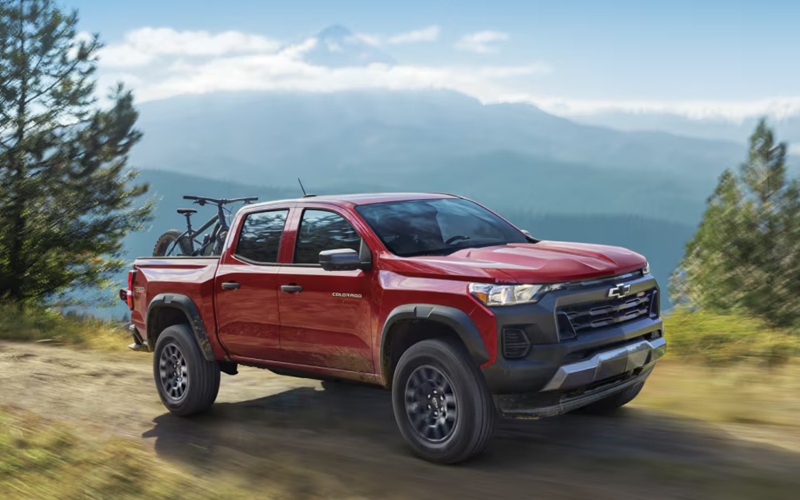


Chevy Trailblazer: Backup Camera Care and Maintenance
If you own a Chevy Trailblazer, you may be wondering what type of maintenance the backup camera requires and how to keep it working properly over time. Backup cameras have become an important part of everyday driving, helping drivers view the area behind the vehicle when reversing and assisting with parking manoeuvres. Although the backup […]
If you own a Chevy Trailblazer, you may be wondering what type of maintenance the backup camera requires and how to keep it working properly over time. Backup cameras have become an important part of everyday driving, helping drivers view the area behind the vehicle when reversing and assisting with parking manoeuvres.

Although the backup camera system is largely maintenance-free, regular care can help maintain image quality and ensure the camera continues operating as intended. Environmental conditions in Canada, including snow, road salt, rain, mud, dust, and temperature fluctuations, can affect the camera lens and surrounding components.
The Importance of the Chevy Trailblazer Backup Camera
How the Chevy Trailblazer Backup Camera Works
The backup camera is typically mounted near the rear liftgate area and provides a live video feed whenever the vehicle is placed in reverse.
The system generally consists of:
- Rear-facing camera unit
- Camera lens assembly
- Video transmission circuitry
- Infotainment display
- Electronic control modules
- Wiring connections
When reverse gear is selected, the camera transmits video information to the vehicle’s display screen, allowing the driver to view the area directly behind the Trailblazer. Depending on equipment level and model year, the system may also include dynamic guidelines that assist with vehicle positioning during low-speed manoeuvres.
Why Backup Camera Maintenance Matters
The camera is exposed to outdoor conditions year-round.
Unlike many electronic components that remain protected inside the vehicle, the backup camera is positioned on the exterior and can be affected by:
- Road spray
- Dirt accumulation
- Snow buildup
- Ice formation
- Water droplets
- Dust
- Salt residue
Maintaining a clean camera lens helps preserve image clarity and visibility.
Camera Lens Visibility
The lens is the most exposed part of the system. Even a small amount of contamination on the lens surface can affect image quality.
For example, the following may reduce image clarity:
- Mud splatter
- Salt deposits
- Ice crystals
- Water film
- Pollen accumulation
In many cases, a simple cleaning restores normal image quality.
Possible Causes or Context
Owners sometimes notice changes in camera performance depending on weather and driving conditions. These observations are often related to environmental factors rather than system faults.
Winter Driving Conditions
Canadian winters can influence backup camera visibility. Snow and slush can accumulate around the rear liftgate area where the camera is mounted. When this occurs, the image may appear partially obstructed until the lens is cleaned. Cold temperatures may also contribute to temporary frost formation on the camera surface.
Rain and Moisture
Water droplets can remain on the lens after driving in wet weather. The camera may continue operating normally, but image sharpness can be affected until the moisture clears.
Dust and Gravel Roads
Trailblazer owners who regularly drive on unpaved roads may notice increased dust accumulation near the rear of the vehicle. Fine dust particles can gradually cover the lens and reduce image clarity.
Road Salt Exposure
Road salt is commonly used throughout Canada during winter months. Salt residue can collect around the camera housing and rear vehicle surfaces. Routine cleaning helps minimize buildup and maintain visibility.
Step-by-Step Backup Camera Care
Step 1: Inspect the Lens Regularly
During routine vehicle washing, visually inspect the camera lens.
Look for:
- Dirt buildup
- Water spots
- Salt residue
- Ice accumulation
A quick inspection often identifies visibility issues before they affect camera performance.
Step 2: Clean the Lens Gently
When cleaning the camera lens:
- Use clean water if necessary
- Use a soft microfiber cloth
- Avoid excessive pressure
- Remove debris carefully
The goal is to clean the lens surface without scratching it.
Step 3: Check the Camera Housing
Inspect the area surrounding the camera.
This helps identify:
- Excess debris
- Mud accumulation
- Ice buildup
- Obstructions around the mounting location
Keeping the housing area clean supports overall camera visibility.
Step 4: Include the Camera During Vehicle Washing
Many owners focus on body panels and windows while overlooking the backup camera. Including the camera lens during routine washing helps maintain a consistently clear image.
Step 5: Verify Operation Periodically
After cleaning, place the vehicle in reverse and confirm that the image appears clear and unobstructed. This simple check helps verify normal operation.
What to Check / What to Expect
Normal Image Changes During Weather Events
Certain image characteristics are normal under specific conditions.
Examples include:
- Water droplets during rain
- Temporary fogging in humid conditions
- Snow accumulation during winter storms
- Reduced visibility from road spray
These conditions generally improve once the lens is cleaned.
Normal Camera Activation
The backup camera should activate when reverse gear is selected. Depending on vehicle configuration, display timing may vary slightly.
Image Quality Expectations
Under normal conditions, the image should provide a clear view of the area behind the vehicle.
Image appearance can vary according to:
- Ambient lighting
- Sun position
- Weather conditions
- Surface cleanliness
Nighttime image quality will naturally differ from daytime operation because the camera adjusts to available light.
Rear Liftgate Area Condition
The rear portion of the vehicle often accumulates more dirt than other areas due to airflow patterns. Because the camera is mounted in this region, more frequent cleaning may be beneficial during certain seasons.
Seasonal Considerations
Spring
Spring conditions may introduce:
- Pollen
- Mud
- Rainwater
Regular cleaning helps maintain visibility.
Summer
Dust and insects may occasionally accumulate near the camera lens. Periodic inspection is generally sufficient.
Autumn
Falling leaves and debris can collect around exterior trim areas. Routine cleaning remains beneficial.
Winter
Snow, ice, and salt exposure increase substantially during winter operation. More frequent inspection may help maintain image clarity.
The Backup Camera’s Role
The backup camera is designed as a visibility aid.
It supplements, rather than replaces, normal driving practices.
Drivers should continue using:
- Mirrors
- Direct observation
- Situational awareness
The camera provides an additional view that can assist during reversing manoeuvres. Maintaining a clean and unobstructed camera helps ensure the system provides the clearest possible image when needed.
Long-Term Maintenance Considerations
The backup camera system requires relatively little scheduled maintenance.
Most care involves:
- Lens cleaning
- Visual inspection
- Keeping surrounding areas clean
- Monitoring image quality
During routine vehicle service visits, technicians may also inspect electronic systems and verify proper operation of camera-related functions if requested. For owners who regularly encounter harsh winter conditions, gravel roads, or frequent road salt exposure, occasional inspection of the camera area can help preserve long-term performance.
Stay Safe in Your Chevy Trailblazer
Backup camera care and maintenance on a Chevy Trailblazer is primarily focused on keeping the camera lens and surrounding area clean. Because the camera is mounted on the exterior of the vehicle, environmental conditions such as snow, salt, rain, dust, and road debris can affect image clarity over time.
Regular visual inspections, gentle cleaning, and routine checks of camera operation help ensure the system continues providing a clear rearward view. By including the backup camera in normal vehicle cleaning and maintenance routines, Trailblazer owners can maintain consistent visibility and reliable camera performance throughout the year.
Disclaimer: Content contained in this post is for informational purposes only and may include features and options from US or internacional models. Please contact the dealership for more information or to confirm vehicle, feature availability.