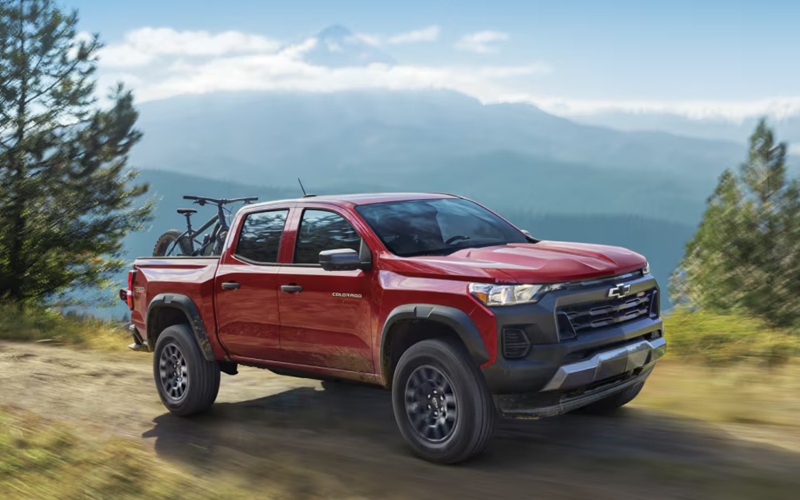
2026 Chevrolet Silverado 1500: What Engines Are Available?
The engine lineup of a full-size pickup truck is one of its most defining characteristics, influencing not only performance but also towing capability, efficiency, and overall driving behaviour. The Chevrolet Silverado 1500 continues to offer a diverse range of engines designed to meet different operational needs, from daily driving to heavy-duty work applications. Rather than […]
The engine lineup of a full-size pickup truck is one of its most defining characteristics, influencing not only performance but also towing capability, efficiency, and overall driving behaviour. The Chevrolet Silverado 1500 continues to offer a diverse range of engines designed to meet different operational needs, from daily driving to heavy-duty work applications.
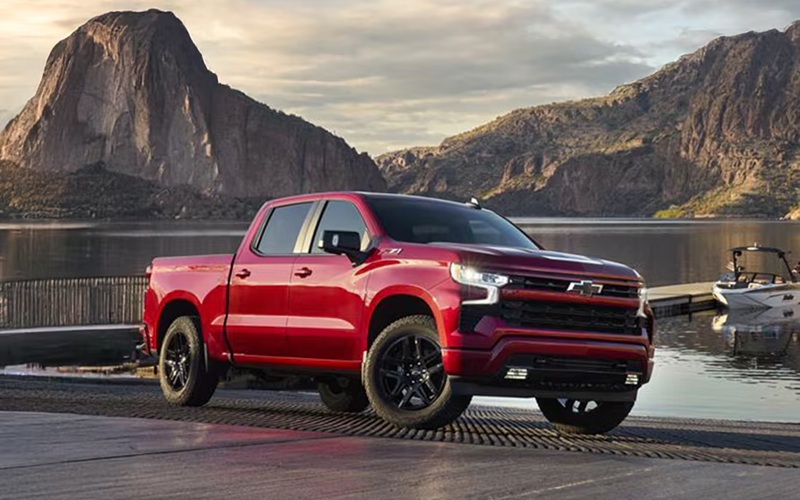
Rather than focusing on a single powertrain, the Silverado 1500 provides multiple engine configurations that vary in displacement, aspiration, and fuel type. These engines incorporate modern technologies such as turbocharging, direct injection, and advanced thermal management systems, allowing them to deliver strong torque while maintaining efficiency. Understanding the available engines helps clarify how the Silverado adapts to a wide variety of use cases.
Overview of the Engine Lineup
The Silverado 1500 features a multi-engine strategy, offering several distinct powertrains with different mechanical characteristics.
Main Engine Options
- 2.7-litre turbocharged inline four-cylinder petrol engine
- 5.3-litre V8 naturally aspirated petrol engine
- 6.2-litre V8 naturally aspirated petrol engine
- 3.0-litre inline six-cylinder turbo-diesel engine
Each engine is engineered for a specific purpose, ranging from efficiency to maximum torque.
2.7-Litre Turbocharged Four-Cylinder Engine
This engine represents the downsized, high-efficiency option in the Silverado lineup.
Key Specifications (Approximate)
- Displacement: 2.7 litres (2,727 cm³)
- Configuration: Inline four-cylinder
- Induction: Turbocharged
- Fuel system: Direct injection
Turbocharging System
The turbocharger increases power output by compressing incoming air, allowing more fuel to be burned.
Benefits
- Strong torque at low engine speeds
- Improved efficiency compared to larger engines
- Reduced engine weight
Torque Characteristics
This engine produces high torque at low revolutions per minute, making it suitable for:
- Urban driving
- Light towing
- General-purpose use
5.3-Litre V8 Engine
The 5.3-litre V8 is a traditional naturally aspirated engine that balances performance and reliability.
Key Specifications
- Displacement: 5.3 litres (5,328 cm³)
- Configuration: V8
- Induction: Naturally aspirated
- Fuel system: Direct injection
Combustion Characteristics
Without turbocharging, the engine relies on displacement to generate power.
Advantages
- Linear power delivery
- Predictable throttle response
- Mechanical simplicity compared to turbocharged systems
Cylinder Deactivation
This engine includes cylinder deactivation technology.
Function
- Shuts down half of the cylinders under low load
- Reactivates them when more power is needed
Benefits
- Improved fuel efficiency
- Reduced emissions
6.2-Litre V8 Engine
The 6.2-litre V8 is the highest-output petrol engine in the lineup.
Key Specifications
- Displacement: 6.2 litres (6,162 cm³)
- Configuration: V8
- Induction: Naturally aspirated
Performance Focus
This engine is designed for maximum power and towing capability.
Characteristics
- High horsepower output
- Strong acceleration
- Robust performance under load
Thermal Management
Due to its higher output, the engine includes enhanced cooling systems to maintain performance under demanding conditions.
3.0-Litre Turbo-Diesel Engine
The turbo-diesel engine provides a different approach to power generation.
Key Specifications
- Displacement: 3.0 litres (2,993 cm³)
- Configuration: Inline six-cylinder
- Induction: Turbocharged
- Fuel type: Diesel
Diesel Combustion Process
Diesel engines compress air to a higher degree than petrol engines, causing fuel to ignite without a spark.
Torque Output
The turbo-diesel engine produces high torque at very low engine speeds.
Advantages
- Ideal for towing and hauling
- Improved fuel efficiency over long distances
- Lower engine stress during sustained loads
Fuel Injection Systems
All engines in the Silverado use advanced fuel injection technologies.
Direct Injection
Fuel is delivered directly into the combustion chamber at high pressure.
Benefits
- Improved fuel efficiency
- Enhanced combustion control
- Reduced emissions
High-Pressure Systems
Precise fuel delivery ensures optimal performance across different operating conditions.
Variable Valve Timing
Variable valve timing is used across the engine lineup.
Function
- Adjusts valve operation based on engine speed and load
Benefits
- Improved efficiency at low speeds
- Increased power at higher speeds
- Reduced emissions
Silverado 1500 Torque and Power Delivery
Each engine delivers torque differently depending on its design.
Turbocharged Engines
- Provide strong low-end torque
- Maintain consistent output across mid-range speeds
Naturally Aspirated V8 Engines
- Deliver linear power
- Require higher revolutions per minute for peak output
Diesel Engine
- Produces maximum torque at very low speeds
- Maintains efficiency under heavy loads
These differences allow drivers to choose an engine based on specific needs.
Transmission Pairing
All engines are paired with automatic transmissions designed to handle varying torque levels.
Transmission Features
- Multiple gear ratios
- Smooth shifting
- Adaptive shift logic
Torque Management
The transmission adjusts gear selection to optimize performance and efficiency depending on engine type.
Cooling and Thermal Systems
Efficient heat management is critical for engine durability.
Components
- Radiator system
- Oil cooling systems
- Intercoolers (for turbocharged engines)
Function
These systems regulate temperature to ensure consistent engine performance and prevent overheating.
Emissions Control Technologies
Modern engines incorporate systems to reduce environmental impact.
Key Components
- Catalytic converters
- Diesel particulate filters (for diesel engine)
- Exhaust gas monitoring systems
Operation
These components treat exhaust gases and ensure compliance with emissions standards.
Electronic Engine Management
Each engine is controlled by an advanced electronic control unit (ECU).
Responsibilities
- Fuel injection timing
- Ignition timing
- Turbo boost control
Adaptive Operation
The ECU adjusts engine parameters in real time based on:
- Load conditions
- Driving behavior
- Environmental factors
Comparison of Engine Options
Understanding the differences between engines helps clarify their intended use.
Efficiency-Focused Option
- 2.7-litre turbocharged engine
- Lower fuel consumption
- Suitable for everyday driving
Balanced Performance Option
- 5.3-litre V8
- Combination of power and reliability
High-Performance Option
- 6.2-litre V8
- Maximum power output
Heavy-Duty Efficiency Option
- 3.0-litre turbo-diesel
- High torque and long-distance efficiency
At Addison on Erin Mills, discussions about the Silverado 1500 engine lineup often focus on how each option aligns with specific usage scenarios.
Maintenance Considerations
Each engine type requires proper maintenance to ensure long-term performance.
Key Areas
- Engine oil quality
- Cooling system condition
- Turbocharger maintenance (where applicable)
Diesel-Specific Maintenance
- Fuel system care
- Emissions system monitoring
Regular servicing helps maintain efficiency and durability.
At Addison on Erin Mills, maintenance practices typically emphasize preserving engine performance across different operating conditions.
Driving Experience Overview
The available engines shape the Silverado 1500 driving characteristics.
2.7-Litre Engine
- Responsive and efficient
- Suitable for daily use
5.3-Litre V8
- Smooth and balanced
- Versatile for multiple tasks
6.2-Litre V8
- Strong acceleration
- High capability under load
3.0-Litre Diesel
- Quiet and efficient cruising
- Excellent for towing and long-distance driving
Each engine provides a distinct driving experience tailored to different needs.
Silverado 1500 FAQ Section
What engines are available in the 2026 Chevrolet Silverado 1500?
- This truck offers a 2.7-litre turbocharged four-cylinder, 5.3-litre and 6.2-litre V8 petrol engines, and a 3.0-litre turbo-diesel engine.
Which engine is best for fuel efficiency?
- The 2.7-litre turbocharged engine and the 3.0-litre turbo-diesel engine are designed for better fuel efficiency compared to larger V8 engines.
What is the advantage of the diesel engine?
- The diesel engine provides high torque at low engine speeds and improved efficiency for long-distance driving and towing.
Do all engines use modern fuel injection systems?
- Yes, all engines use direct injection to improve combustion efficiency and performance.
Are the engines paired with automatic transmissions?
- Yes, all engine options are paired with automatic transmissions designed to manage different torque levels.
Disclaimer: Content contained in this post is for informational purposes only and may include features and options from US or internacional models. Please contact the dealership for more information or to confirm vehicle, feature availability.